


FEATURED PRODUCTS
-
LiME LiNE Candy Pearl Basecoat Aerosol – Automotive Candy Pearl Spray Paint, Pro Results No Spray Gun Needed
Regular price From $28.99 USDRegular price -
LiME LiNE 2K Epoxy Primer/Sealer Direct-to-Metal, Anti-Corrosive for Automotive & Industrial Use/Isocyanate Free
Regular price From $84.99 USDRegular price$99.99 USDSale price From $84.99 USDSale -
LiME LiNE Neon Automotive Basecoat Paint - Custom Paint for Cars, Trucks and Motorcycles Mix 1:1 with Urethane Reducer
Regular price From $48.99 USDRegular price -
LiME LiNE 2K Clearcoat, Automotive Paint Kit with Hardener, Topcoat For Cars, Trucks and Motorcycles - 1.25 gallon Kit
Regular price From $109.99 USDRegular price$139.99 USDSale price From $109.99 USDSale -
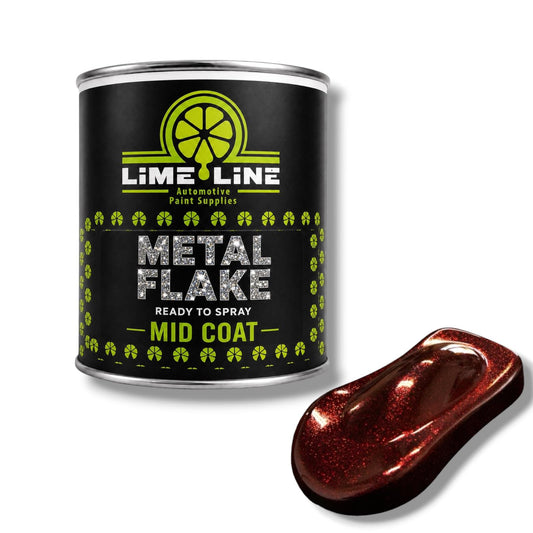
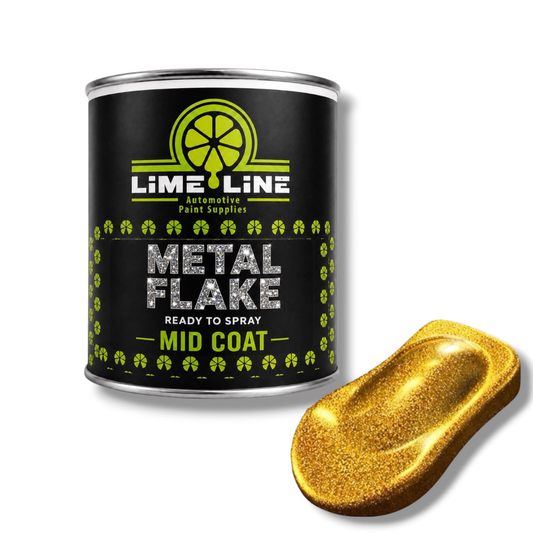
LiME LiNE Ready-to-Spray Automotive Metal Flake Midcoat - No Reducer Needed - Available in 17 Colors & 3 Sizes
Regular price From $48.99 USDRegular price -
LiME LiNE Candy Pearl Basecoat – All-In-One Base, Pearl & Candy Color | Tri-Stage Look in One Step | Full-Coverage Candy Look: Must be Cleared with 2K Clearcoat
Regular price From $44.99 USDRegular price -
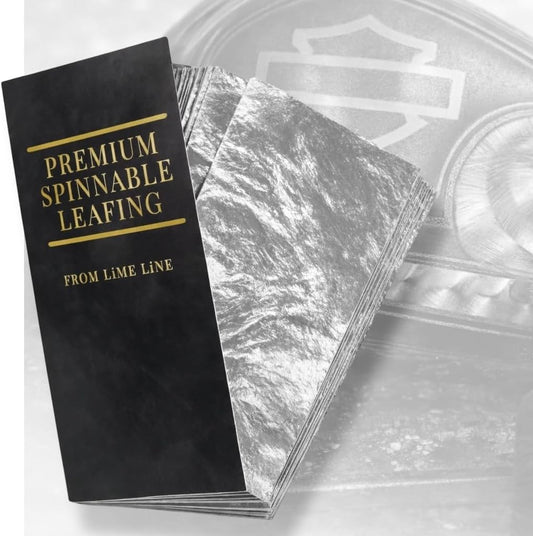
LiME LiNE Ultimate Automotive Leafing Kit
Regular price $109.99 USDRegular price$139.99 USDSale price $109.99 USDSale -
LiME LiNE Precision Tapes Bundle - 3x 1/8 inch + 2x 1/16 inch + 1x 1/4 inch + 6 Blades
Regular price $69.99 USDRegular price$119.99 USDSale price $69.99 USDSale








EDUCATION
Frequently Asked Questions
Combine 1-part of Candy Concentrate with 3-parts of Clear Basecoat or Intercoat Clear, then reduce the blend 1:1 with Urethane Reducer. This mix produces 1 Gallon of sprayable material from 1 Pint of Candy. For best results, always finish with a 2K Clear Coat for protection and durability.
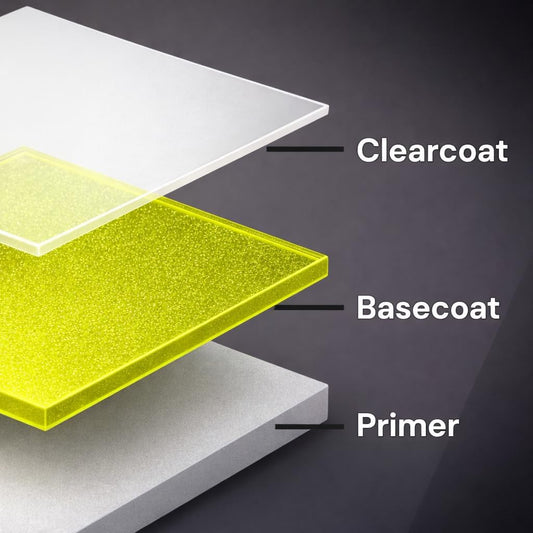
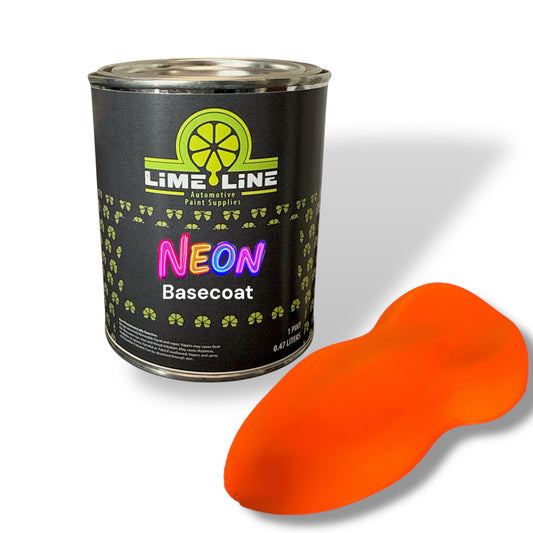
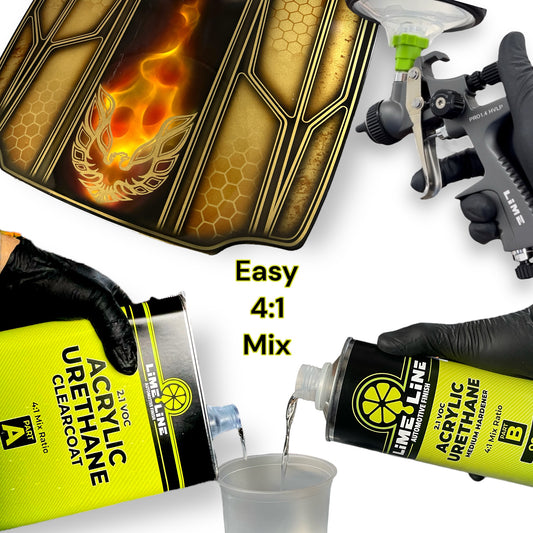
Prep the metal or plastic surface, apply Epoxy or High-Build Primer, spray the Basecoat mixed 1:1 with Urethane Reducer, and finish with a 2K Clear Coat for protection, and durability.
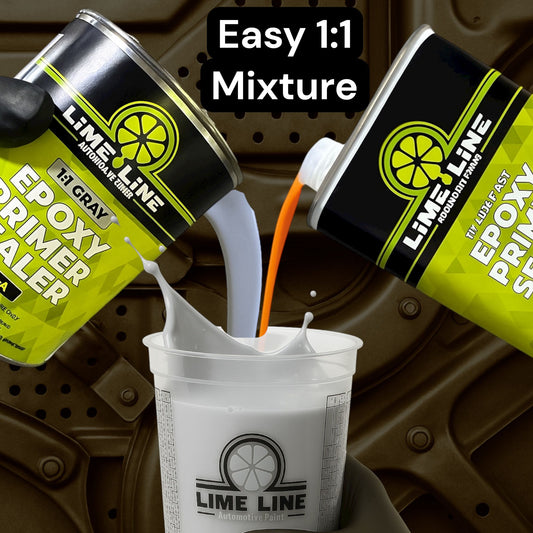
Epoxy Primer is the best choice for bare metal or plastic because it delivers maximum adhesion, corrosion resistance, and a strong foundation. High-Build Primer is ideal when you need to fill scratches, sanding marks, or minor imperfections before paint. In short: use Epoxy for sealing and bonding, and High-Build for leveling and surface correction.
Opened primers typically stay good for 6-12 months, while reducers can last up to a year or more if tightly sealed and stored in a cool, dry place. If the product becomes thick, forms skin, or won’t mix smoothly, it’s past its usable life.
To prevent orange peel, maintain correct gun setup, use the right reducer, keep proper distance, and ensure the surface is clean and well-prepped. If orange peel
appears, let the coat cure, then wet-sand (1000-2000 grit) and buff, or apply another smooth, reduced coat to level the finish.
You should follow the recommended flash times for each product - typically 5-10 minutes between basecoat passes, 10-15 minutes for primer, and 15-20 minutes for clear coat, depending on temperature. To speed up drying safely, use gentle airflow or low-heat bake (not exceeding 120-140°F) and avoid direct high heat, which can trap solvents and cause defects like lifting, wrinkling, or solvent pop.